Short-term money gaps occur more often than we expect, especially just before payday. A sudden bill or an unplanned expense can make things feel tight very quickly.
That’s when many salaried individuals start looking at personal loans. But jumping straight into an application without checking eligibility can lead to rejections and added stress. Knowing your personal loan eligibility helps you understand whether you’re likely to get approved, how much you might be able to borrow, and what lenders usually look at.
For people earning around ₹20,000 a month or more, a quick eligibility check is usually the smartest place to start.
Table of Contents

What Is Personal Loan Eligibility?
Personal loan eligibility is a quick way for lenders to understand whether a loan could work for you. Rather than being a final decision, it acts as an early check that shows how well your profile matches basic lending requirements.
During this step, lenders look at things like your age, job status, income consistency, and credit history. These details help them gauge whether the loan amount and repayment timeline are likely to fit comfortably within your finances.
For borrowers, eligibility criteria for personal loans bring clarity before applying. For lenders, they offer confidence. When done online, the process is usually fast, simple, and requires minimal paperwork.
Personal Loan Eligibility Criteria
While conditions can vary slightly across platforms, most lenders evaluate a core set of eligibility criteria for personal loan:
- Age: Applicants are generally required to be 21 years or older.
- Employment status: Full-time salaried employment is preferred.
- Monthly income: A stable income of ₹20,000 or more improves eligibility.
- Employment continuity: A minimum employment period (often around three months) signals income consistency.
- Credit score: A score of 680 or above typically strengthens approval chances.
- Location eligibility: Availability may be limited in certain regions.
Failing to meet one or more of the above-mentioned requirements can significantly reduce eligibility.
Factors Affecting Personal Loan Eligibility
Personal loan eligibility depends on a mix of things you can improve over time and a few basics set by the lender. Knowing the difference helps you focus on what actually strengthens your chances.
Things You Can Improve
These are areas where small changes can make a real difference:
Credit score
A credit score of 680 or above usually works in your favour. Regular salary credits, timely repayments, and keeping balances manageable all help build trust with lenders over time.
Current financial commitments
Lenders look at how much of your monthly income is already spoken for. When fewer repayments are running in the background, it becomes easier to qualify for a loan that fits comfortably within your ₹20,000 monthly salary.
Stable employment and income flow
Being in full-time employment for at least three months and having steady salary credits shows consistency. This reassures lenders that repayments over the 90-day period are manageable.
Things Set by the Lender
These are standard checks that apply across applications:
Basic eligibility rules
Most lenders require applicants to be 21 years or older, employed full-time, and earning ₹20,000 or more per month. Loan amounts generally range between ₹8,000 and ₹35,000, depending on eligibility.
Service availability
Loan services may not be active in certain regions, and availability can vary based on operational coverage.
Processing conditions
When eligibility aligns, approvals and disbursals can happen quickly, often within 15 minutes, making the process feel straightforward and predictable.
How is Personal Loan Eligibility Calculated?
Eligibility is usually calculated through an internal assessment model that weighs multiple factors together rather than relying on a single metric.
Typically, lenders look at:
- Income vs. repayment ability over a short tenure.
- Credit behaviour patterns, not just the score itself.
- Employment stability, indicating predictable cash flow.
For example, a salaried professional earning ₹20,000 per month with stable employment and a healthy credit score may be considered eligible for a short-term loan within a defined range, provided repayment capacity aligns with the loan duration.
Tips to Improve Your Personal Loan Eligibility
If you are unsure about qualifying, a few practical steps can improve your chances:
- Maintain timely repayments on existing credit
Even a single missed payment can reduce approval confidence, especially at lower income levels. Consistent, on-time repayments show lenders that you can manage credit responsibly.
- Avoid multiple loan or credit card applications in a short span of time
Applying to several lenders at once can hurt your credit profile, as each application may trigger a credit inquiry. Too many enquiries within a short period signal financial stress and reduce approval chances.
- Ensure salary credits are consistent and that income records are in order
Consistency matters more than income growth. Clean, predictable income records make the evaluation process smoother and reduce follow-up checks.
- Keep existing debt at manageable levels.
Borrow only what you can comfortably repay within your monthly budget. High outstanding debt reduces disposable income and increases financial pressure.
- Check eligibility before applying, rather than applying directly
Reviewing eligibility in advance helps you understand realistic loan amounts and approval likelihood.
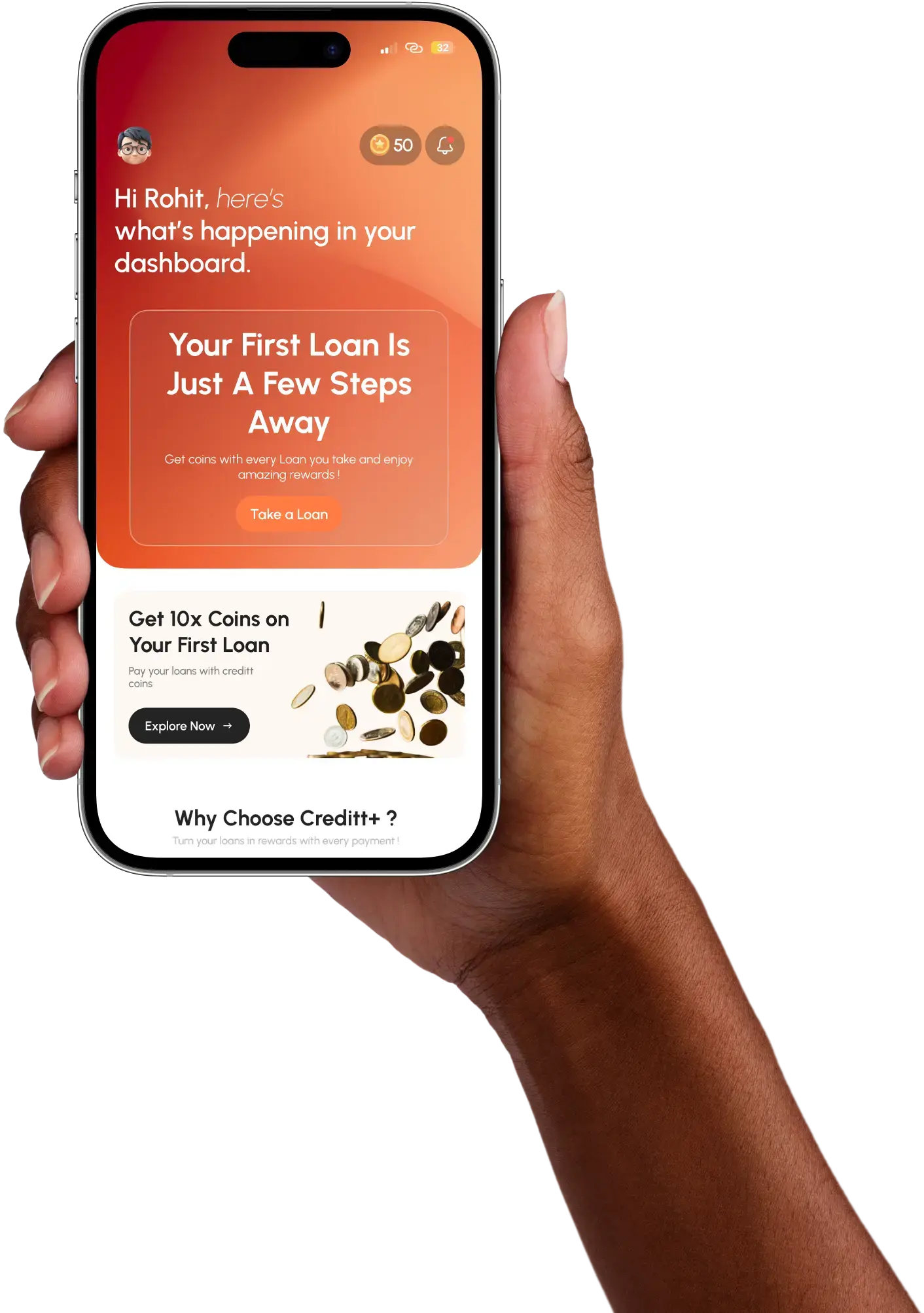
Even small improvements in these areas can positively influence eligibility outcomes over time. Platforms like Creditt+ are designed to make this process straightforward for salaried individuals seeking quick loans, with quick approval and disbursal timelines.
Conclusion
Knowing how to check your personal loan eligibility makes the process much easier to handle. It helps you understand your chances before applying, instead of relying on guesswork or rushing into a decision.
Eligibility checks usually look at simple factors like your age, employment status, monthly income, and credit history. They also give you a sense of how much you may be able to borrow and whether the repayment period fits your current income.
For salaried individuals looking for quick, short-term financial support, online eligibility checks offer a clear starting point, helping you understand your position before taking the next step.