
Some months, your salon visit, your gym renewal, and a new face wash all land in the same week, and the budget feels tight even though nothing went wrong. Other months barely touch the line, and the leftover rolls into a wellness splurge later.
₹10,000 a month is a generous self-care allowance for a salaried earner, enough to fund a steady routine across grooming, fitness, skincare, and one flexible extra without crowding rent, food, or savings.
Table of Contents

A realistic ₹10,000 monthly self-care breakdown
A workable budget splits across four spending heads that most salaried professionals already fund every month. Each head carries a typical 2026 range, and ₹10,000 personal loan covers all four without strain.
Grooming and personal care
Grooming is the most predictable line in the budget, because the costs repeat every month.
A regular salon haircut costs ₹235 to ₹500 for men and ₹490 to ₹1,400 for women, with fancier salons pushing higher. Men add a beard trim at ₹150 to ₹300, while women add threading at ₹50 to ₹150, leg waxing at ₹400 to ₹800, and a colour touch-up at ₹500 to ₹1,500 every couple of months.
Add shampoo, face wash, and the daily basics, and ₹1,500 to ₹3,500 a month covers two salon visits plus a hair spa once a quarter.
Fitness and movement
Fitness is where the budget swings the most, because the format you pick decides what you pay each month. A local gym in your neighbourhood costs ₹800 to ₹1,500 a month, a standard chain charges ₹1,500 to ₹3,000, and premium chains cross ₹4,000 to ₹6,000.
An annual plan usually cuts that rate by 25 to 40 percent, bringing a premium membership down to ₹1,500 to ₹2,500 a month. A yoga class pack at ₹2,500 to ₹3,500 for eight sessions works out cheaper if you go fewer than eight times, and a home setup is a one-time buy, not a monthly cost.
Skincare and wellness
Skincare is a maintenance cost, not an aspirational one, so the figure stays small. Budget skincare brands keep most products under ₹500, so a working routine of a face wash at ₹250 to ₹400, a moisturiser at ₹350 to ₹500, a daily sunscreen at ₹300 to ₹600, and the occasional serum at ₹500 to ₹800 lands at ₹1,500 to ₹2,500 a month in most cities.
A face wash usually lasts two to three months and a moisturiser one to two, which stretches the spend further. Spending past that buys variety and packaging, not better basics.
The flexible or treat allocation
The flexible line is the buffer for months when an extra self-care cost lands on top of your usual routine.
That could be a massage, a wellness app you renew, or a one-off buy, and ₹2,000 to ₹3,000 keeps it from breaking the budget. For larger planned wellness expenses, you can also get a Personal Loan at Low Interest instead of dipping into emergency savings.
How to prioritise self-care spending when ₹10,000 does not stretch to everything
Some months carry a higher fixed cost or a surprise, and the budget has to flex. While it is usually better to postpone non-essential treatments, people facing a temporary cash crunch sometimes look at Quick Loans for short-term support.
- Keep the high-frequency essentials: A gym membership you use eight or more times a month earns its place, so it stays. The same logic protects the products you finish on a fixed cycle, since skipping them just defers the cost.
- Rotate the low-frequency extras: Facials, massages, and salon treatments are the easiest line to move. Booking one this month and the next in two months keeps the habit without the full monthly hit, and the reader barely notices the gap.
- Separate one-time costs from monthly upkeep: An annual dental clean, a fitness device, or a yearly membership paid upfront is not a monthly cost, so treat it as an annual line item and set aside a small amount each month toward it.
Fixed essentials vs rotating extras
Fixed essentials are the costs that earn their place every month because you use them on a high-frequency cycle, like a gym you train at eight or more times, a face wash you finish in two to three months, or a haircut you book at the same interval.
Rotating extras are the costs you can space out without losing the habit, like a facial, a massage, or a salon treatment booked every other month instead of every month.
One-time vs recurring self-care costs
One-time costs are the bills that land once a year or once in a while, like an annual dental check, a paid-upfront gym or class membership, or a fitness device.
Recurring costs are the ones that repeat every month, like salon visits, skincare products, and a monthly gym fee. Plan for the one-time costs by setting aside a small amount each month, so the bill is ready when it lands and the monthly self-care spend stays steady.
When a one-time wellness or self-care purchase is worth planning ahead for
A short-term loan is used to pay for a single expense that comes before your next salary. It is not used for monthly self-care spending.
The loan fits these conditions:
- The cost is one specific expense, not a recurring one.
- You know the exact amount, the purpose, and the date you will repay it.
- Your next salary is enough to repay the full amount.
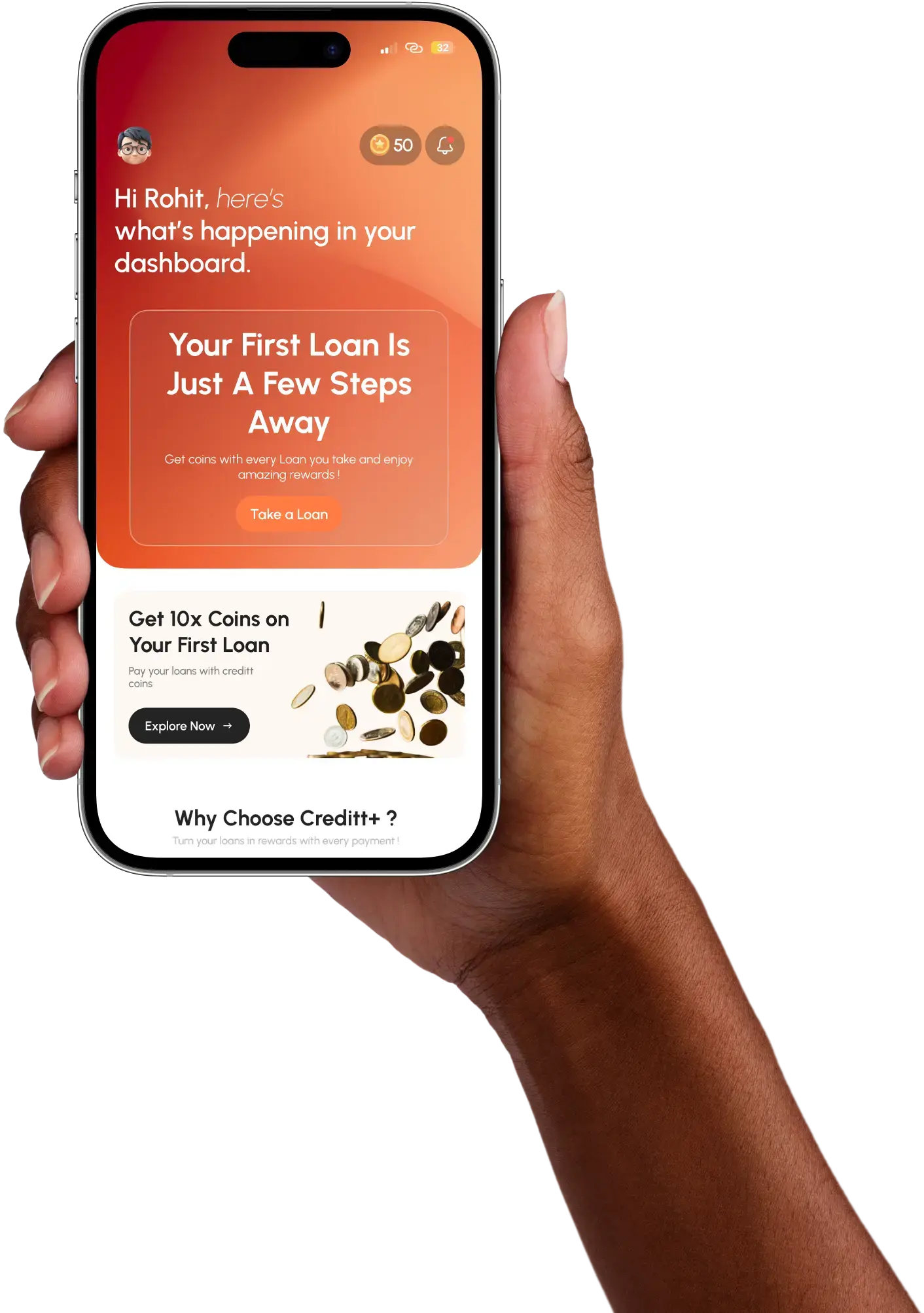
Creditt+ offers a short-term personal loan for salaried professionals earning ₹20,000 a month or more. The amount is between ₹8,000 and ₹35,000, paid back in full on a single, fixed repayment date within one short cycle.
Approval is assessed case by case, and the loan is disbursed to your bank account in a few minutes once approved. The loan is issued by Sampati Securities Ltd, an RBI-registered NBFC (RBI 01.00214). If you do not know what the loan is for, or when you will repay it, use your savings instead.