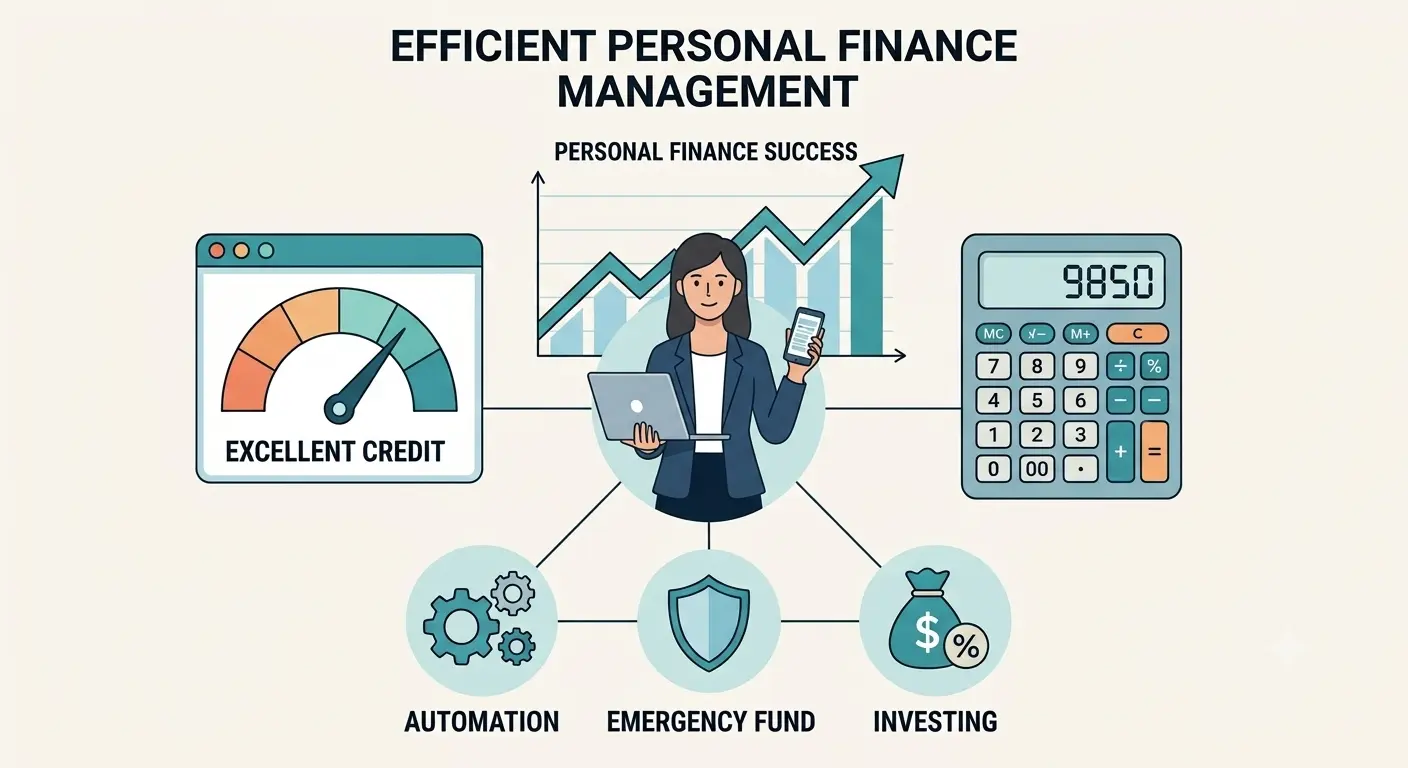

Managing personal finances is about more than earning a salary. It involves building financial security, preparing for unexpected events, investing consistently, and staying involved in every financial decision.
A structured approach, such as the 50/30/20 rule, can help balance essential expenses, lifestyle spending, and long term savings. It is equally important for working women to plan for career breaks, as even a temporary pause can affect investment growth if financial planning is overlooked.
Table of Contents

How Should a Working Woman Build a Financial Safety Net
A strong financial safety net provides stability during unexpected situations such as job loss, medical emergencies, or career breaks. Building this foundation early reduces dependence on debt and protects long term financial goals.
Emergency Fund Size, Location
An emergency fund should ideally cover three to six months of essential living expenses. This money should remain separate from your daily spending account and be easily accessible when needed.
Suitable places to keep an emergency fund include:
If rising expenses are making it difficult to save consistently, understanding how to deal with inflation can help you identify practical ways to create room in your monthly budget.
Insurance Beyond Employer Cover
Many working women depend entirely on employer provided health insurance. While it offers valuable protection, the coverage usually ends when you leave your job or take an extended career break.
Maintaining an individual health insurance policy ensures continuous protection regardless of employment status. It also reduces the likelihood of dipping into savings during unexpected medical expenses.
How Should Career Breaks Change Your Long Term Investment Plan
Career breaks are common for reasons such as higher education, caregiving, relocation, or starting a family. Planning for these periods in advance helps minimise their impact on long term wealth creation.
Building a Break Buffer
A career break fund is different from an emergency fund. It is specifically designed to cover planned living expenses during a temporary pause in income.
Estimate your expected monthly expenses and multiply them by the anticipated duration of the break. Keeping this amount separate allows your emergency savings to remain available for genuine emergencies instead of planned expenses.
Did You Know? Missing SIP contributions early in your investment journey can reduce long term wealth more than many investors expect because those investments lose valuable years of compounding.
Reduced SIPs Beat Pausing
Completely stopping investments during a career break can interrupt long term compounding. If possible, consider reducing your monthly SIP amount instead of pausing it altogether.
Even smaller contributions help maintain investment discipline and allow your portfolio to continue growing. As your income stabilises, you can gradually increase your SIP amount again without restarting your investment journey from scratch.
How Should Working Women Approach Debt and Tax Planning
Managing debt wisely is just as important as building savings. Paying off expensive debt first, understanding tax benefits, and borrowing only when necessary can strengthen your financial position over time.
Loan vs Card Balance
Credit card balances usually carry higher interest rates than personal loans. If you're carrying unpaid credit card dues month after month, clearing them should take priority before making new investments.
For a genuine one time expense, a structured personal loan for women with fixed repayments may sometimes be easier to manage than allowing a revolving credit card balance to grow.
If you're considering borrowing, ensure the EMI comfortably fits within your monthly income. Lending platforms like Creditt+ can help eligible borrowers access short term personal loans through its partner NBFC for planned financial needs.
Financial Tip: Before taking any loan, calculate whether the EMI fits comfortably within your monthly budget after accounting for savings and essential expenses.
What Does Staying Involved in Household Finances Actually Mean
Financial independence isn't only about earning money. It also means understanding where your money is invested, knowing your financial commitments, and being confident enough to make informed decisions whenever required.
A Basic Financial Involvement Checklist
Every working woman should periodically review her personal finances instead of relying entirely on someone else to manage them.
Use this checklist:
- Know your bank account and investment logins.
- Keep a record of insurance policies and nominations.
- Review SIPs, loans, and EMIs regularly.
- Understand household monthly expenses.
- Maintain an updated list of important financial documents.
- Review joint accounts and nominations at least once every year.
Women earning a 50000 salary or a 60000 salary often have greater opportunities to increase investments as income grows. Regular financial reviews can help ensure those additional earnings contribute towards long term wealth instead of higher lifestyle expenses.